The Doctor’s Dose
How Menopause Affects Metabolism: A Physician’s Guide
The physiological changes during menopause that impact metabolic rate, fat distribution, insulin sensitivity, and muscle mass — plus practical lifestyle interventions to support metabolic health during this transition.
By Courtney A. Washington, D.O.
Menopause is a natural stage of life, but for many women, it can feel like their body suddenly starts working against them. Weight gain appears despite eating the same way, energy levels shift, sleep becomes more difficult, and losing weight may feel harder than it did in earlier decades.
One of the most common questions I hear from women is:
“Why am I gaining weight when I’m doing everything I used to do?”
The answer often lies in the metabolic changes that occur during the menopausal transition. Menopause does not mean weight gain is inevitable, but it does mean the body’s hormonal environment changes — and your nutrition, exercise, sleep, and medical strategy may need to change with it.
What Is Menopause?
Menopause is diagnosed after a woman has gone 12 consecutive months without a menstrual period. The years leading up to menopause are called perimenopause, and this transition can begin several years before the final menstrual cycle.
During perimenopause and menopause, levels of estrogen and progesterone fluctuate and eventually decline. These hormones affect more than reproduction. They also influence metabolism, body composition, insulin sensitivity, fat storage, sleep, mood, and cardiovascular health.
What Does Metabolism Actually Mean?
Metabolism refers to the processes your body uses to convert food into energy. When people say their metabolism is “slowing down,” they are usually referring to a decrease in how many calories the body burns each day.
Your total daily energy burn includes:
- Basal metabolic rate: the calories your body burns at rest to maintain essential functions like breathing, circulation, and organ function.
- Physical activity: calories burned through exercise, walking, household activity, and daily movement.
- Thermic effect of food: the energy required to digest, absorb, and process food.
Menopause affects metabolism because it can change muscle mass, fat distribution, insulin sensitivity, appetite signals, and sleep quality all at the same time.
Why Metabolism Changes During Menopause
1. Estrogen Decline Changes Fat Storage
Estrogen helps regulate how the body stores and uses fat. As estrogen declines, many women notice a shift from storing fat around the hips and thighs to storing more fat around the abdomen.
This abdominal fat is not just cosmetic. Visceral fat, the fat stored around the organs, is associated with higher risk of insulin resistance, type 2 diabetes, high blood pressure, abnormal cholesterol, and cardiovascular disease.
2. Lean Muscle Mass Decreases
Muscle is metabolically active tissue. It burns more energy than fat, even at rest. As women age, they naturally begin to lose lean muscle mass, and this process can accelerate during midlife.
Less muscle means the body may burn fewer calories throughout the day. This is one reason a woman may gain weight even if her eating habits have not changed.
3. Insulin Sensitivity May Decline
Insulin is the hormone that helps move glucose from the bloodstream into cells for energy. During the menopausal transition, some women become more insulin resistant, meaning the body has to work harder to manage blood sugar.
Insulin resistance can contribute to increased hunger, sugar cravings, abdominal fat storage, elevated blood sugar, and difficulty losing weight.
4. Sleep Disruption Affects Hunger Hormones
Hot flashes, night sweats, anxiety, and insomnia can all interfere with sleep during menopause. Poor sleep affects hormones involved in appetite regulation, including ghrelin and leptin.
When sleep quality declines, hunger may increase, cravings may intensify, and motivation for exercise often decreases. Over time, this can worsen metabolic health.
5. Stress and Cortisol Can Increase Abdominal Fat
Menopause often happens during a demanding season of life. Career responsibilities, caregiving, family transitions, and emotional stress can all increase cortisol levels.
Chronically elevated cortisol may promote abdominal fat storage, increase cravings, raise blood sugar, and make weight loss more difficult.
Common Signs Your Metabolism May Be Changing
- Weight gain despite eating the same way
- Increase in belly fat or waist circumference
- More sugar or carbohydrate cravings
- Fatigue or lower exercise tolerance
- Difficulty building or maintaining muscle
- Elevated cholesterol or triglycerides
- Rising fasting glucose or hemoglobin A1c
- Poor sleep, night sweats, or frequent waking
What Labs Should Women Consider During Menopause?
A physician-guided metabolic evaluation can help identify whether weight gain or fatigue is related to insulin resistance, thyroid disease, nutrient deficiencies, hormone changes, or cardiovascular risk.
Helpful labs may include:
- Fasting glucose
- Hemoglobin A1c
- Fasting insulin
- Lipid panel
- Thyroid function testing
- Vitamin D
- Vitamin B12
- Comprehensive metabolic panel
- Hormonal evaluation when clinically appropriate
Testing should be individualized. Not every woman needs every test, but women with unexplained weight gain, fatigue, belly fat, family history of diabetes, or cardiovascular risk factors should discuss screening with their clinician.
How to Support Your Metabolism During Menopause
Prioritize Protein
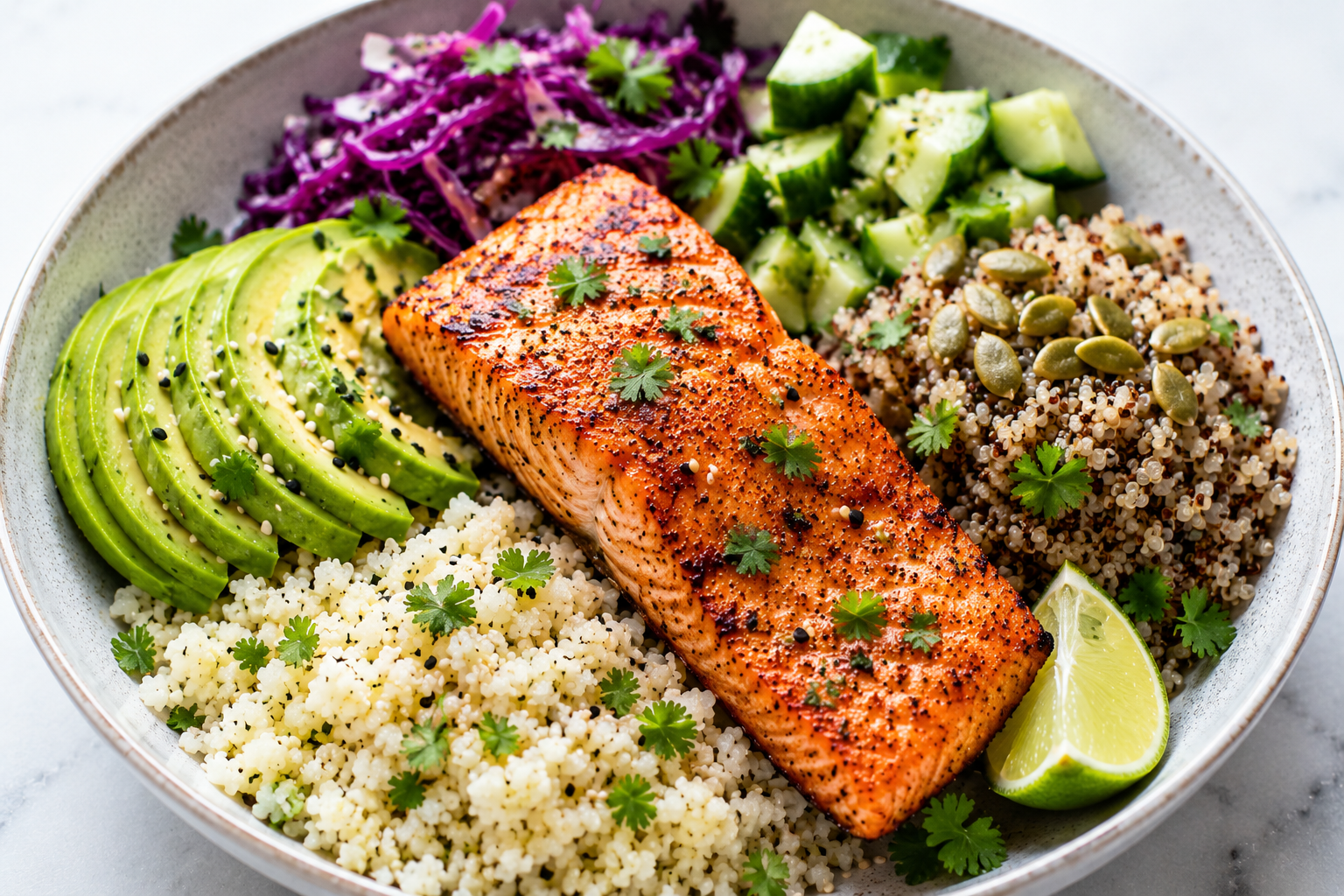
Protein supports muscle maintenance, satiety, blood sugar balance, and healthy aging. Many women do not eat enough protein during midlife.
A practical goal is to include a high-quality protein source at each meal, such as eggs, Greek yogurt, fish, chicken, turkey, lean beef, tofu, cottage cheese, or legumes.
Strength Train Consistently
Resistance training is one of the most powerful tools for protecting metabolism during menopause. It helps preserve muscle, improve insulin sensitivity, support bone density, and maintain functional strength.
Aim for strength training at least two to four times per week, depending on your current fitness level and medical history.
Walk More Throughout the Day
Formal exercise matters, but daily movement also plays a major role in metabolic health. Walking, taking stairs, standing more often, gardening, cleaning, and light activity throughout the day all contribute to energy expenditure.
Improve Sleep Quality
Sleep is not optional for metabolic health. If hot flashes, night sweats, snoring, or insomnia are interfering with rest, speak with your physician.
Helpful habits include keeping the bedroom cool, limiting alcohol before bed, avoiding late caffeine, creating a consistent sleep schedule, and evaluating for sleep apnea when symptoms are present.
Manage Stress Intentionally
Stress management is a metabolic strategy. Prayer, meditation, deep breathing, counseling, yoga, journaling, and time outdoors can help lower stress physiology and improve overall well-being.
Should Women Consider Hormone Therapy?
Menopausal hormone therapy may be appropriate for some women, especially those experiencing moderate to severe hot flashes, night sweats, sleep disruption, or genitourinary symptoms of menopause.
Hormone therapy is not one-size-fits-all. The decision depends on a woman’s age, symptoms, time since menopause, personal risk factors, family history, and medical history. It should always be discussed with a qualified healthcare provider.
What About GLP-1 Medications?
For women who meet medical criteria, GLP-1 and dual incretin medications may be helpful tools for weight management and metabolic health. These medications can reduce appetite, improve blood sugar regulation, and support meaningful weight loss.
However, medication works best when paired with adequate protein intake, resistance training, sleep optimization, and long-term lifestyle change. The goal is not just weight loss — it is healthier body composition, stronger muscle, better metabolic markers, and improved quality of life.
The Bottom Line
Menopause is not simply a reproductive transition. It is also a metabolic transition.
Declining estrogen, reduced muscle mass, changes in insulin sensitivity, disrupted sleep, increased stress, and abdominal fat redistribution can all affect how the body stores and burns energy.
But women are not powerless. With the right approach — including protein, strength training, movement, sleep support, stress management, appropriate lab screening, and individualized medical care — it is possible to protect your metabolism and feel strong through midlife and beyond.
If you are experiencing unexplained weight gain, fatigue, belly fat, poor sleep, or worsening metabolic labs during menopause, talk with a physician who can help you create a personalized plan.
Key Takeaways
- Menopause can affect metabolism by changing estrogen levels, muscle mass, fat distribution, insulin sensitivity, sleep, and stress hormones.
- Abdominal fat gain during menopause is common and may increase cardiometabolic risk.
- Strength training and adequate protein are essential for preserving muscle and metabolic rate.
- Sleep, stress management, and daily movement are just as important as formal exercise.
- Hormone therapy and weight-loss medications may be appropriate for some women, but decisions should be individualized with a physician.
References
- Davis SR, et al. Weight, Shape, and Body Composition Changes at Menopause. Menopause. Available from: https://pmc.ncbi.nlm.nih.gov/articles/PMC8569454/
- The North American Menopause Society. The 2022 Hormone Therapy Position Statement. Menopause. Available from: https://pubmed.ncbi.nlm.nih.gov/35797481/
- Menopause Society. Position Statements. Available from: https://menopause.org/professional-resources/position-statements
- Bermingham KM, et al. Menopause is associated with postprandial metabolism, metabolic health and lifestyle. eBioMedicine. Available from: https://www.thelancet.com/journals/ebiom/article/PIIS2352-3964(22)00485-6/fulltext
- Szeliga A, Chedraui P, Meczekalski B. The Impact of the Menopausal Transition on Body Composition and Abdominal Fat Redistribution. Journal of Clinical Medicine. 2026. Available from: https://www.mdpi.com/2077-0383/15/2/740
Medical Disclaimer: This article is for educational purposes only and does not replace individualized medical advice. Always consult your physician or qualified healthcare professional before starting, stopping, or changing any medication, hormone therapy, supplement, diet, or exercise program.