Doctor's Dose | Nutrition & Metabolism | Preventative Health
Why Women Gain Weight After 40: The Hormonal Shift
Understanding perimenopause, cortisol, insulin resistance, and metabolic changes in midlife women.

Hormonal changes during perimenopause and menopause can affect metabolism, body composition, and weight regulation in women over 40.
If you are a woman over 40 and feel like your body is changing even though your habits have not changed much, you are not imagining it.
Many women notice weight gain, especially around the midsection, during perimenopause and menopause. This shift is influenced by changing estrogen levels, stress hormones like cortisol, insulin resistance, sleep disruption, and age-related loss of lean muscle mass.
The goal of this article is to help you understand what is happening in your body and how to respond with evidence-based strategies that support metabolism, muscle preservation, blood sugar control, and long-term health.
Article at a Glance
- Main Topic: Weight gain after 40 in women
- Key Factors: Perimenopause, estrogen decline, cortisol, insulin resistance, sleep, and muscle loss
- Primary Focus: Hormonal weight gain and metabolic changes in midlife
- Best Strategy: Protein, strength training, fiber, sleep, stress management, and medical evaluation when needed
- Category: Preventative Health
“I’m Eating the Same Way. Why Am I Gaining Weight?”
This is one of the most common questions women ask in their 40s and 50s.
The answer is rarely simple. Midlife weight gain is not just about calories or willpower. It is often the result of several changes happening at once: fluctuating hormones, reduced muscle mass, disrupted sleep, increased stress, and decreased insulin sensitivity.
According to menopause-focused clinical resources, aging is a major driver of midlife weight gain, while menopause contributes to changes in body composition and increased abdominal fat distribution.
What Is Perimenopause?
Perimenopause is the transition leading up to menopause. It often begins in the 40s, although some women notice symptoms earlier.
During perimenopause, estrogen and progesterone levels fluctuate. These hormone shifts can affect menstrual cycles, sleep, mood, appetite, metabolism, and fat storage.
Common Perimenopause Symptoms
- Weight gain or increased belly fat
- Difficulty losing weight
- Hot flashes or night sweats
- Brain fog
- Mood changes
- Fatigue
- Sleep disruption
- Changes in menstrual cycle regularity
The Estrogen Connection: Why Belly Fat Increases After 40
Estrogen influences where the body stores fat. Before menopause, many women store more fat around the hips and thighs. As estrogen levels decline, fat distribution often shifts toward the abdomen.
This is why many women notice a larger waist circumference or more stubborn belly fat during midlife, even when their weight has not changed dramatically.
Menopause is associated with changes in body composition and increased visceral or abdominal fat, which can raise the risk of metabolic conditions such as diabetes and cardiovascular disease.
Cortisol and Stress: The Midlife Weight Gain Connection
Cortisol is often called the stress hormone. In short bursts, cortisol is helpful. But when stress becomes chronic, cortisol can contribute to changes in appetite, cravings, blood sugar, sleep, and abdominal fat storage.
Many women in midlife are managing careers, children, aging parents, relationships, finances, and major life transitions. That stress load matters.
Chronic Stress May Contribute To:
- Increased cravings for sugar and refined carbohydrates
- Poor sleep quality
- Higher blood sugar levels
- More abdominal fat storage
- Fatigue and reduced motivation to exercise
Insulin Resistance After 40
Insulin is the hormone that helps move glucose from the bloodstream into cells for energy. As women age, insulin sensitivity may decline, especially when paired with reduced muscle mass, poor sleep, stress, and increased abdominal fat.
When cells become less responsive to insulin, the body may produce more insulin to keep blood sugar controlled. Higher insulin levels can make fat storage easier and weight loss more difficult.
Signs That Insulin Resistance May Be Playing a Role
- Weight gain around the abdomen
- Fatigue after meals
- Strong sugar cravings
- Difficulty losing weight despite effort
- Elevated fasting glucose, A1c, or triglycerides
This does not mean all carbohydrates are bad. It means carbohydrate quality, portion size, protein intake, fiber, and activity level become more important.
Muscle Loss: The Hidden Metabolic Challenge
After age 40, many adults gradually lose lean muscle mass unless they actively work to preserve it. This matters because muscle is metabolically active tissue.
Less muscle can mean a slower metabolism, decreased strength, worse insulin sensitivity, and more difficulty maintaining weight.
The CDC recommends adults get at least 150 minutes of moderate-intensity physical activity weekly and include muscle-strengthening activity at least two days per week.
Why “Eat Less and Exercise More” Often Fails After 40
Many women respond to midlife weight gain by drastically cutting calories. Unfortunately, severe restriction can backfire.
Over-restriction may increase hunger, worsen fatigue, reduce muscle mass, and make long-term weight maintenance harder.
A better strategy is not simply to eat less. It is to eat in a way that protects muscle, supports blood sugar, improves satiety, and nourishes the body.
Evidence-Based Strategies for Women Over 40
1. Prioritize Protein at Every Meal
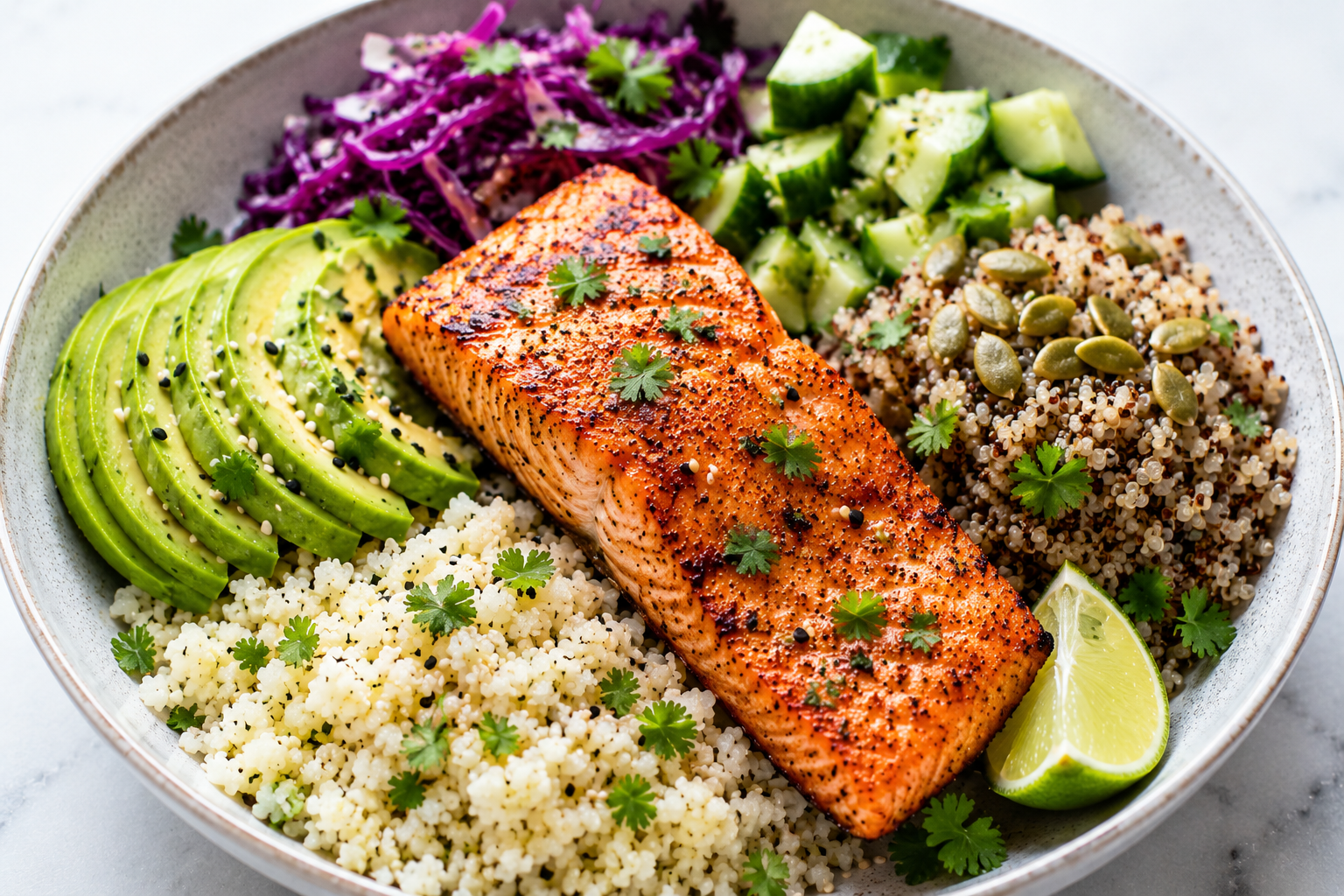
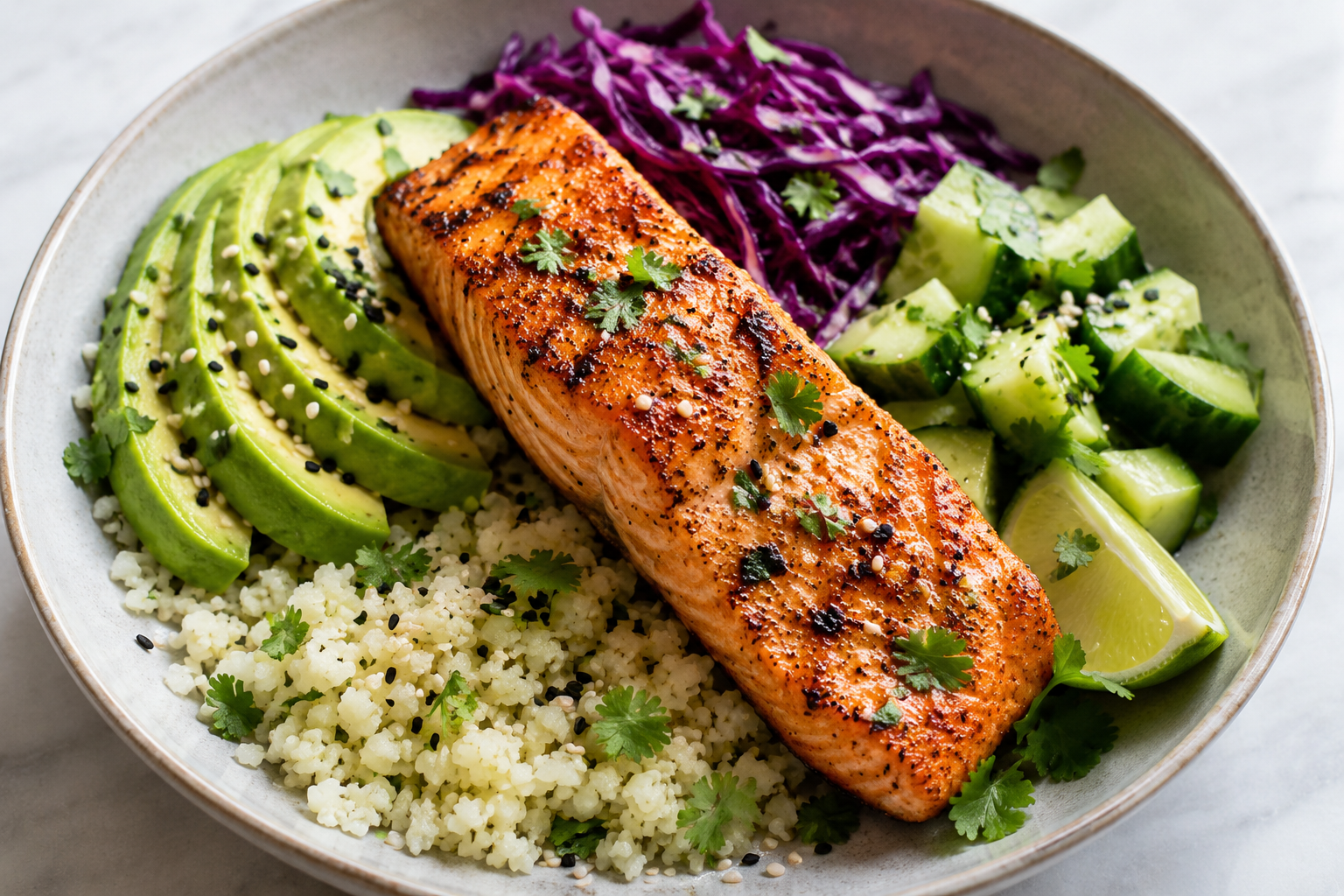
Protein helps preserve lean muscle mass, supports metabolism, and keeps you fuller longer. Good options include fish, eggs, chicken, Greek yogurt, lean meats, tofu, beans, and legumes.
2. Strength Train Two to Three Times Weekly
Resistance training helps preserve muscle, improve insulin sensitivity, support bone density, and maintain functional strength as you age.
3. Increase Fiber
Fiber supports gut health, blood sugar control, cholesterol management, and satiety. Focus on vegetables, berries, beans, lentils, chia seeds, and avocados.
4. Improve Sleep Quality
Poor sleep can worsen cravings, hunger hormones, cortisol, insulin resistance, and fatigue. Aim for consistent, restorative sleep whenever possible.
5. Manage Stress Intentionally
Walking, prayer, meditation, journaling, breathwork, therapy, and time outdoors can all help regulate stress and support metabolic health.
6. Consider a Medical Evaluation
If weight gain is rapid, severe, or associated with fatigue, abnormal cycles, hair changes, depression, or sleep disruption, medical evaluation may be helpful. Labs may include thyroid function, A1c, fasting insulin, lipids, vitamin D, iron studies, and other testing based on symptoms.
Frequently Asked Questions
Why do women gain belly fat after 40?
Belly fat after 40 is often related to declining estrogen, reduced muscle mass, insulin resistance, stress, and sleep changes.
Is weight gain after 40 inevitable?
No. The body does change with age, but strength training, adequate protein, fiber, sleep, stress management, and medical guidance can help support weight maintenance.
Can perimenopause cause weight gain?
Perimenopause can contribute to weight gain and changes in body composition, especially abdominal fat accumulation, because of fluctuating estrogen, sleep disruption, and metabolic changes.
Should women over 40 eat fewer carbs?
Not necessarily. Many women benefit from choosing higher-quality carbohydrates, increasing fiber, and pairing carbs with protein and healthy fats rather than eliminating carbohydrates completely.
What type of exercise is best after 40?
A combination of resistance training, walking, mobility work, and cardiovascular exercise is ideal. Muscle-strengthening activity is especially important for preserving metabolism and bone health.
Doctor’s Dose
Weight gain after 40 is not a personal failure. It is often the result of hormonal, metabolic, lifestyle, and stress-related changes happening at the same time.
The solution is not simply to starve your body. The solution is to change the strategy.
Preserve muscle. Prioritize protein. Manage stress. Improve sleep. Eat for your future body.
Your body is changing. Your health plan should evolve with it.
More From Ask Dr. Co
Explore more articles on preventative health, nutrition and metabolism, medical weight loss, and healthy aging at AskDrCo.com.
For personalized medical weight loss or metabolic health support, schedule an evaluation with Fleur-De-Lis Aesthetics & Apothecary.