When should you get your first mammogram, and how do you know if something is wrong?
For most women at average risk, routine mammograms should begin at age 40. But breast cancer awareness starts long before your first screening. Understanding your family history, recognizing changes in your breasts, and reporting unusual symptoms can make a difference in detecting cancer earlier, when treatment is often more successful.
Why Is Breast Cancer Awareness Still So Important?
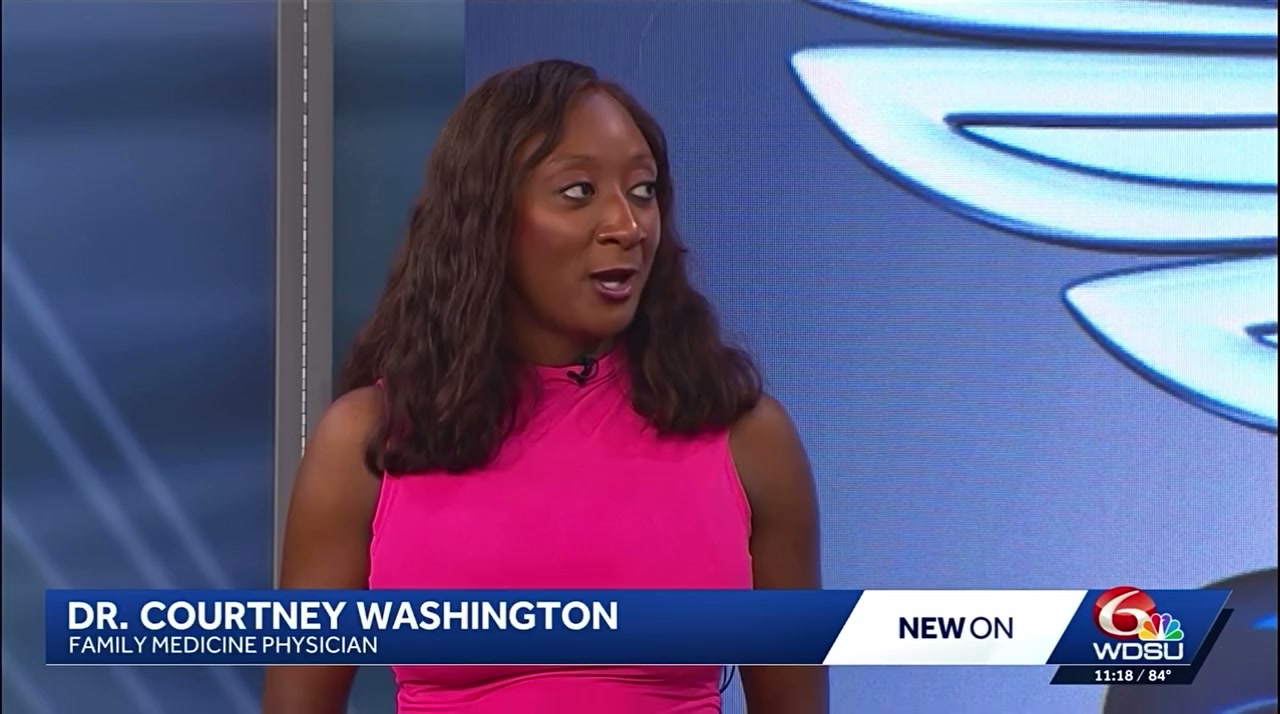
October is Breast Cancer Awareness Month, but preventive breast health deserves our attention throughout the year. In my WDSU News medical segments, I emphasize three things: know your body, know your risk, and don’t ignore changes.
Breast cancer may develop without pain or noticeable symptoms. A mammogram can sometimes detect a cancer before it can be felt. And while most breast changes do not mean cancer, changes deserve timely evaluation.
At What Age Should Women Start Getting Mammograms?
ACOG recommends starting mammography at age 40 for women at average risk, repeating it every one or two years through shared decision-making, and continuing through at least age 75. The U.S. Preventive Services Task Force recommends mammography every two years from ages 40 through 74.
The difference is primarily in screening frequency. Both support beginning at 40. Breast cancer diagnoses have increased among women in their 40s, making timely conversations especially important.
What if Breast Cancer Runs in Your Family?
A mother, sister, daughter, or another relative with breast cancer—especially at a younger age—can change your risk assessment. Risk from your father’s side also counts.
You may have heard the rule to begin screening ten years before the age of the youngest affected relative. That approach is used in some higher-risk protocols, but is not a universal rule. The starting age and test depend on your complete risk assessment and any hereditary syndrome. If your mother was diagnosed at 40, discuss your risk well before 40 instead of automatically assuming mammography must start at 30.
Who Should Consider Genetic Counseling or Testing?
Most breast cancers are not explained by a single inherited mutation. A personal or family history of breast cancer before age 50, multiple relatives with breast or ovarian cancer, male breast cancer, or a known family mutation may warrant hereditary-risk assessment. BRCA1 and BRCA2 are two examples among several relevant genes.
Genetic counseling helps determine who should be tested and what the findings mean. Not everyone needs genetic testing.
Mammogram, Ultrasound, or MRI: What’s the Difference?
Mammograms use low-dose X-rays and remain the foundation of routine screening. Ultrasound may further evaluate a specific lump or imaging finding, but does not replace routine mammography. Breast MRI is often added for some higher-risk patients.
For example, the American Cancer Society recommends annual MRI and mammography, typically beginning around age 30, for many women with a lifetime breast cancer risk of approximately 20–25% or higher. Imaging should be individualized rather than chosen simply because one test sounds more advanced.
Should You Still Examine Your Own Breasts?
Absolutely know the normal look and feel of your breasts. However, breast self-awareness differs from formal monthly self-examinations. Routine structured self-examination has not been shown to reduce breast cancer deaths in average-risk women and can increase unnecessary testing. That’s why experts emphasize recognizing and reporting changes rather than making self-examination a substitute for mammography.
Which Breast Changes Should You Never Ignore?
Call your clinician about a new lump in the breast or armpit; skin dimpling or thickening; new nipple inversion; spontaneous nipple discharge, especially blood; persistent localized pain; unexplained swelling or changes in size or shape; or persistent redness or scaling.
Many breast symptoms are not cancer, but you can’t diagnose the cause by touch alone. If you find a new lump after a normal mammogram, still seek evaluation. A symptom may require diagnostic imaging, not merely the next routine screening examination.
Why Does Early Detection Matter?
The American Cancer Society reports a five-year relative survival rate greater than 99% for localized invasive breast cancer. That does not guarantee an individual’s outcome, but shows why finding disease before it spreads matters.
Black women in the United States face higher breast cancer mortality than White women and are more likely to develop aggressive triple-negative tumors. Access to screening, timely follow-up after abnormal findings, and appropriate treatment are all essential.
Dr. Co’s Perspective: Awareness Should Lead to Action
As a family medicine physician, I know how easily women put themselves last while caring for everybody else. That mammogram moves from next week to next month—and sometimes to next year.
I want women to know you don’t need to be certain a lump is dangerous before calling your doctor. You don’t need to wait for pain. And you don’t need a family history to take breast health seriously.
Through Ask Dr. Co and my WDSU News segments, my goal is to make evidence-based health information understandable enough to act on. Breast cancer awareness isn’t about fear. It’s about giving women the information and confidence to advocate for their health.
The Doctor’s Dose: What You Need to Know
- Start the screening conversation at age 40—or earlier if your risk is elevated. Family and personal history can change the plan.
- Know what’s normal for your breasts. Awareness helps you recognize changes, but does not replace mammography.
- Don’t wait to report something unusual. A new lump, nipple discharge, skin change, or other persistent symptom needs evaluation even after a normal screening.
The Conversation Doesn’t End Here
During Breast Cancer Awareness Month, I’m continuing this conversation on WDSU News Channel 6 and Ask Dr. Co. Explore more evidence-based health education at askdrco.com. Share this article with someone who needs a reminder to prioritize preventive breast health.
Evidence over opinions. When you don’t know… Ask Dr. Co.
Scientific References and Clinical Guidelines
- ACOG. Updates Recommendation on When to Begin Breast Cancer Screening Mammography (2024).
- USPSTF. Breast Cancer: Screening (2024).
- American Cancer Society. Recommendations for Early Detection.
- USPSTF. BRCA-Related Cancer: Risk Assessment, Genetic Counseling and Testing.
- ACOG. Mammography and Other Screening Tests for Breast Problems (reviewed 2026).
- CDC. Symptoms of Breast Cancer (updated 2026).
- American Cancer Society. Survival Rates for Breast Cancer.
Medical disclaimer: Educational information only; not a substitute for individualized medical assessment.