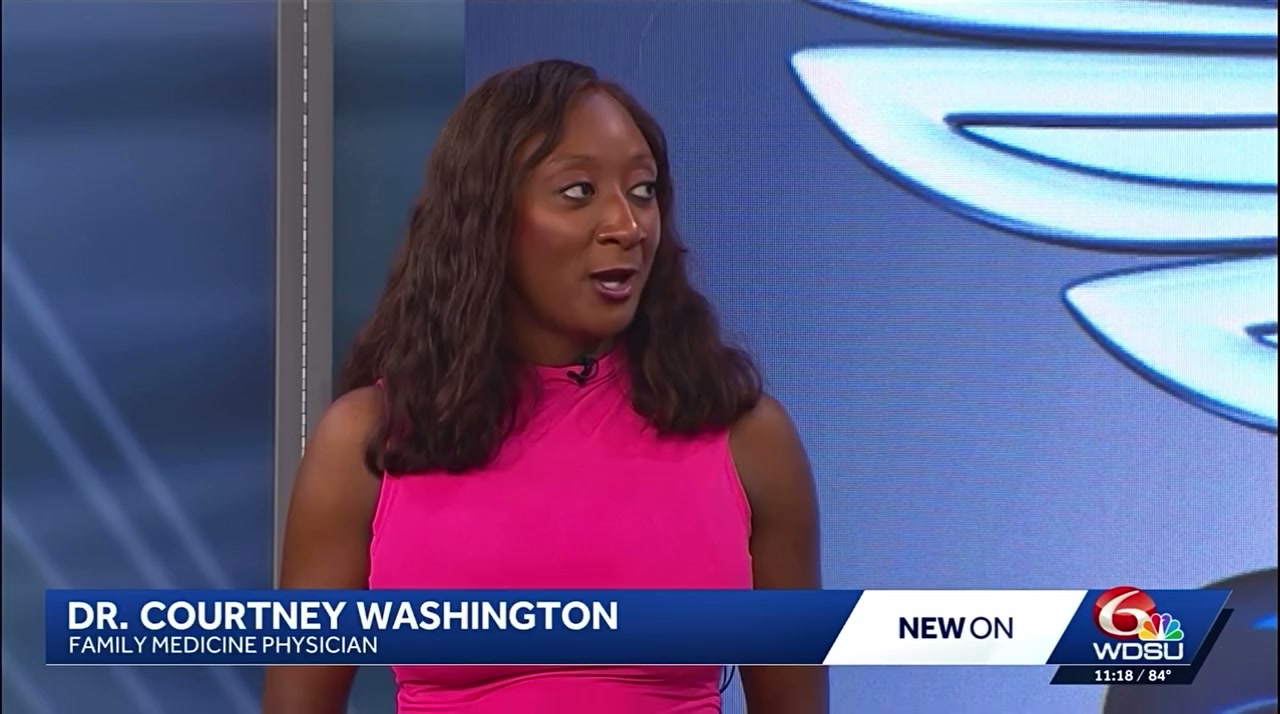
Is hormone replacement therapy safe, or are the risks too great?
Hormone replacement therapy (HRT) is one of the most effective treatments for menopausal hot flashes and night sweats. Its safety depends on the hormone, delivery method, timing, and individual medical history. New research and FDA labeling changes are challenging longstanding assumptions, but hormone therapy is neither universally dangerous nor a miracle treatment.
Why Are We Finally Talking Openly About Menopause?
Imagine being at the height of your career but suddenly struggling to remember details during meetings, waking up exhausted, gaining weight despite maintaining your usual routine, or experiencing changes in intimacy that strain your relationship.
Now imagine being told it’s simply part of getting older.
For many women, that’s been the experience of perimenopause and menopause.
For decades, hormone replacement therapy carried considerable controversy following the 2002 Women’s Health Initiative (WHI), which raised concerns about breast cancer, cardiovascular disease, and blood clots.
But medicine evolves.
In February 2026, the FDA approved significant labeling changes for certain menopausal hormone therapies. Meanwhile, newer research is helping clarify how specific hormones, treatment timing, and delivery methods influence outcomes.
Even the public conversation is changing. Actress Halle Berry has openly discussed her menopause experience and advocated for better education and research.
Women are finally talking about menopause openly—and it’s long overdue.
But with greater awareness comes another challenge: separating scientific evidence from misinformation.
Let’s address some of the biggest myths.
Myth #1: Hormone Replacement Therapy Causes Breast Cancer in Every Woman
Fact: Breast cancer risk differs according to the hormone regimen, duration of use, and individual risk factors.
The Women’s Health Initiative studied different hormone combinations, including oral conjugated equine estrogen alone and estrogen combined with medroxyprogesterone acetate.
A 2020 JAMA analysis found different breast cancer outcomes between these groups.
Women with a prior hysterectomy receiving estrogen alone experienced lower breast cancer incidence during long-term follow-up than those receiving placebo. In contrast, women receiving estrogen combined with medroxyprogesterone acetate experienced higher breast cancer incidence.
These findings do not mean estrogen prevents breast cancer in everyone.
They demonstrate that estrogen-only therapy and estrogen-progestogen combinations do not necessarily carry identical risks.
Personal cancer history, formulation, and treatment duration remain essential considerations.
Myth #2: The FDA Removed the Black Box Warning, So HRT Is Completely Safe
Fact: The FDA changed how certain risks are communicated. It did not eliminate those risks.
In November 2025, the FDA announced plans to revise longstanding hormone therapy warnings.
On February 12, 2026, the agency approved updated labeling for six products, removing cardiovascular disease, breast cancer, and probable dementia statements from their boxed-warning sections.
That’s significant.
But important risks remain described elsewhere in relevant prescribing information.
Systemic estrogen-only products also retain an endometrial cancer boxed warning because women with a uterus generally require adequate progesterone or progestogen protection.
The FDA’s decision creates an opportunity for more informed conversations—not a declaration that hormone therapy is appropriate for everyone.
Myth #3: Starting Hormone Therapy Early Prevents Heart Disease and Dementia
Fact: Timing may influence the benefit-risk balance, but hormone therapy has not been proven to prevent cardiovascular disease or dementia.
Researchers have long investigated the timing hypothesis, which proposes that starting HRT closer to menopause may produce different cardiovascular outcomes than beginning treatment many years later.
For many healthy women younger than 60 or within 10 years of menopause onset, the benefit-risk balance for treating symptoms is generally more favorable.
However, a June 2026 systematic review of 17 randomized controlled trials found insufficient evidence that HRT prevents cardiovascular disease, cancer, cognitive decline, or depression in younger menopausal women.
That doesn’t diminish its effectiveness for treating symptoms.
We can recognize hormone therapy’s benefits without claiming it prevents diseases that have not been proven preventable through HRT.
Myth #4: Hormone Therapy Inevitably Causes Dementia
Fact: The relationship between HRT and cognitive health is more complicated than previously believed.
A December 2025 systematic review and meta-analysis in The Lancet Healthy Longevity evaluated research involving more than one million participants.
The investigators found no statistically significant overall association between menopausal hormone therapy and dementia or mild cognitive impairment.
However, these findings do not erase earlier randomized trial evidence of increased dementia risk when certain hormone therapies were initiated in older women.
What Questions Should Researchers Investigate Next?
Here’s where I think the science becomes particularly interesting.
What would happen if researchers followed women who began appropriate hormone replacement earlier in their menopausal transition?
Could treatment influence the trajectory of age-related cognitive decline, even if it doesn’t completely prevent dementia?
Would the findings differ among women with a strong family history of dementia?
And what about women who experience premature ovarian insufficiency or undergo surgical removal of their ovaries before the typical age of menopause?
These questions deserve greater scientific attention.
Women experiencing early estrogen loss represent an especially important population because the duration and timing of hormone deficiency differ from those of women undergoing menopause at the usual age.
Research has examined some of these populations, but adequately powered long-term randomized studies addressing dementia prevention remain limited.
We should not promise that early hormone therapy prevents dementia. But we should absolutely continue investigating whether timing, formulation, and the reason for estrogen loss influence long-term cognitive outcomes.
Myth #5: Bioidentical Hormones Are Always Safer Than Synthetic Hormones
Fact: Certain bioidentical formulations may offer safety advantages, but the delivery method also matters.
Bioidentical hormones have the same molecular structure as hormones naturally produced by the body.
Examples include estradiol, micronized progesterone, and testosterone.
A systematic review published in Archives of Gynecology and Obstetrics in 2023 analyzed 51 studies comparing oral and transdermal hormone therapy.
The clearest safety difference involved blood clots.
Evidence favored transdermal estrogen over oral estrogen regarding venous thromboembolism risk.
That is clinically meaningful, although more high-quality randomized studies are needed.
However, those findings concern the route of estrogen administration and cannot automatically be applied to every bioidentical formulation or compounded pellet.
FDA-approved bioidentical hormone therapies are available, and compounded preparations require separate consideration.
For a deeper explanation, read Bioidentical vs. Synthetic Hormones: Which Is Safer? in our Ask Dr. Co hormone health series.
Myth #6: You Have to Wait Until Menopause Is Complete to Seek Treatment
Fact: Treatment may be appropriate during perimenopause, before menstrual periods have stopped completely.
Menopause is officially diagnosed after 12 consecutive months without a menstrual period, when no other cause explains the absence.
But hormonal fluctuations can begin years earlier.
Women may experience hot flashes, disrupted sleep, mood changes, or irregular menstrual cycles during this transition.
Depending on symptoms, age, medical history, and contraceptive needs, treatment may be appropriate before menopause is complete.
Menopausal hormone therapy is not contraception, so pregnancy prevention must be addressed separately when relevant.
Women should not have to wait until symptoms become debilitating before receiving appropriate medical attention.
Myth #7: You Must Stop Hormone Therapy at Age 65
Fact: There is no universal age at which every woman must discontinue hormone therapy.
Beginning systemic hormone therapy after age 60 or more than 10 years after menopause may carry greater risks than starting earlier.
However, women already receiving treatment do not necessarily need to discontinue it simply because they turn 65.
Continued treatment requires periodic reassessment of symptoms, medical history, treatment goals, and changing risks.
For some women, continuation may be reasonable. For others, dose reduction, a different formulation, or nonhormonal treatment may be more appropriate.
Age matters, but it should never replace individualized clinical judgment.
Myth #8: Hormones Are the Only Effective Treatment for Menopause
Fact: New nonhormonal medications are expanding treatment options.
Not every woman wants hormone replacement therapy, and some have contraindications to systemic hormone treatment.
Fortunately, new medications offer alternatives.
In October 2025, the FDA approved elinzanetant (Lynkuet), a nonhormonal treatment for moderate to severe menopausal hot flashes.
Elinzanetant blocks neurokinin-1 and neurokinin-3 receptor signaling involved in the brain’s temperature-regulation pathways.
This helps reduce hot flashes without replacing estrogen.
Reported adverse effects include headache, fatigue, dizziness, nausea, and sleepiness. Prescribing information also includes precautions concerning liver injury, seizures, and medication interactions.
But Could Blocking Temperature Signaling Affect the Body’s Response to Infection?
This is a question I find particularly interesting.
Hot flashes involve altered temperature-regulation signaling, but the body’s ability to develop a fever during infection involves multiple interacting immune and neurological pathways.
Blocking neurokinin signaling to reduce hot flashes does not necessarily mean the body loses its ability to mount a fever or sweat appropriately during an infection.
Current prescribing information does not establish that elinzanetant suppresses the fever response or masks sepsis.
More research examining temperature regulation under different physiological conditions would help clarify this question.
Other nonhormonal therapies, including fezolinetant, certain antidepressants, and gabapentin, may also be appropriate depending on the patient’s medical history.
The point is that women now have more treatment options than ever.
What Does the Latest Long-Term Research Tell Us?
A September 2026 Cochrane systematic review examined the long-term outcomes of menopausal hormone therapy.
The findings reinforced an important distinction: estrogen-only therapy and combined estrogen-progestogen therapy can have different risk profiles.
Estrogen-only therapy probably reduced fracture risk but increased stroke and gallbladder disease risk. Combined therapy probably increased breast cancer risk and may have increased venous blood clot risk.
However, much of the long-term evidence comes from studies involving older oral hormone formulations.
Modern transdermal treatments and compounded preparations have not necessarily been evaluated to the same extent.
The message isn’t that HRT is universally dangerous or universally beneficial. It’s that the specific treatment and patient matter.
Dr. Co’s Perspective: Menopause Is More Than Hot Flashes
As a family medicine physician, one of the most concerning aspects of menopause care is how frequently the impact on a woman’s daily life has been minimized.
We’re not simply talking about hot flashes.
We’re talking about women in leadership positions struggling with concentration and confidence.
Women experiencing changes in body composition and weight that affect how they feel about themselves.
Women whose disrupted sleep leaves them exhausted before their workday even begins.
And women experiencing vaginal dryness, discomfort during intercourse, or changes in sexual desire that can affect intimacy and relationships.
These symptoms can create significant emotional stress, disrupt sleep, and influence overall well-being. Although stress involves hormones such as cortisol, we should not assume every menopause symptom or associated health outcome is directly caused by elevated cortisol.
I also understand the frustration of patients who have sought help from multiple healthcare professionals without finding relief.
Sometimes the issue isn’t that treatment doesn’t exist. It’s that patients need a more comprehensive evaluation, a different approach, or access to clinicians familiar with the full range of evidence-based options.
Those options may include FDA-approved transdermal estrogen, oral formulations, progesterone, and nonhormonal therapies. Compounded pellets may also enter the discussion in selected circumstances, with clear disclosure of their limited safety evidence and regulatory status.
What excites me most is that menopause is finally becoming a mainstream conversation.
When women such as Halle Berry openly discuss their experiences, it encourages others to recognize symptoms, ask questions, and advocate for themselves.
But awareness alone isn’t enough.
We need research, individualized treatment, and healthcare professionals willing to take women’s concerns seriously.
Improving sleep, sexual comfort, daily functioning, and quality of life are meaningful medical goals.
We don’t need to promise that hormone therapy reverses aging or prevents Alzheimer’s disease to justify helping women feel better.
And we shouldn’t minimize legitimate risks simply because certain FDA warnings have changed.
The goal isn’t to convince every woman to take hormones.
It’s to make sure every woman has access to accurate information and appropriate treatment options.
The Doctor’s Dose: What You Need to Know
- Hormone therapy is not one-size-fits-all. The right approach depends on symptoms, timing, formulation, delivery method, and individual medical history.
- The research is evolving, and important questions remain. Newer studies provide a more nuanced understanding of breast cancer, cardiovascular health, and dementia risk. We still need stronger evidence about earlier treatment and long-term cognitive outcomes.
- Menopause deserves comprehensive medical attention. Sleep, cognition, confidence, sexual health, and relationships can all be affected. Effective hormonal and nonhormonal treatments are available, and women deserve to understand their options.
The Conversation Doesn’t End Here
Whether you’re experiencing menopause yourself or supporting a spouse, mother, sister, or friend, understanding what’s happening is the first step toward finding appropriate care.
If this article helped clarify something you’ve wondered about, share it with someone who may benefit.
Explore more evidence-based health education at AskDrCo.com.
For individualized hormone health consultations, learn more about services available through Fleur-De-Lis Aesthetics.
Evidence over opinions.
When you don’t know… Ask Dr. Co.
Scientific References
- Bofill Rodriguez M, et al. Long-term hormone therapy for perimenopausal and postmenopausal women. Cochrane Database of Systematic Reviews. 2026. DOI
- Bencivenga PA, et al. The effects of menopausal hormone therapy on cardiovascular disease, cancer, cognition and depression in younger women: A systematic review. 2026. Full text
- Melville M, et al. Menopause hormone therapy and risk of mild cognitive impairment or dementia: a systematic review and meta-analysis. The Lancet Healthy Longevity. 2025. DOI
- Chlebowski RT, et al. Association of Menopausal Hormone Therapy With Breast Cancer Incidence and Mortality During Long-term Follow-up of the Women’s Health Initiative Randomized Clinical Trials. JAMA. 2020;324(4):369–380. DOI
- Goldštajn MŠ, et al. Effects of transdermal versus oral hormone replacement therapy in postmenopause: a systematic review. Archives of Gynecology and Obstetrics. 2023;307:1727–1745. DOI
- American College of Obstetricians and Gynecologists. Compounded Bioidentical Menopausal Hormone Therapy. Clinical Consensus No. 6. 2023. Reaffirmed 2026. ACOG guidance
- U.S. Food and Drug Administration. FDA Approves Labeling Changes to Menopausal Hormone Therapy Products. February 12, 2026. FDA announcement
- U.S. Food and Drug Administration. Lynkuet (elinzanetant) Prescribing Information. 2025, revised 2026. FDA-approved prescribing information
- The Menopause Society. Initiation of Hormone Therapy After Age 65 Remains Risky but Still Works for Some Women. February 2026. Research summary
- University of Illinois Chicago. Actor Halle Berry Partners with UIC Researcher Pauline Maki to Address Menopause. March 2025. University coverage
Medical disclaimer: This article is intended for educational purposes and does not replace individualized medical advice, diagnosis, or treatment. Hormone therapy decisions should be made with a qualified healthcare professional.