
News & Article

Category: Preventative Health

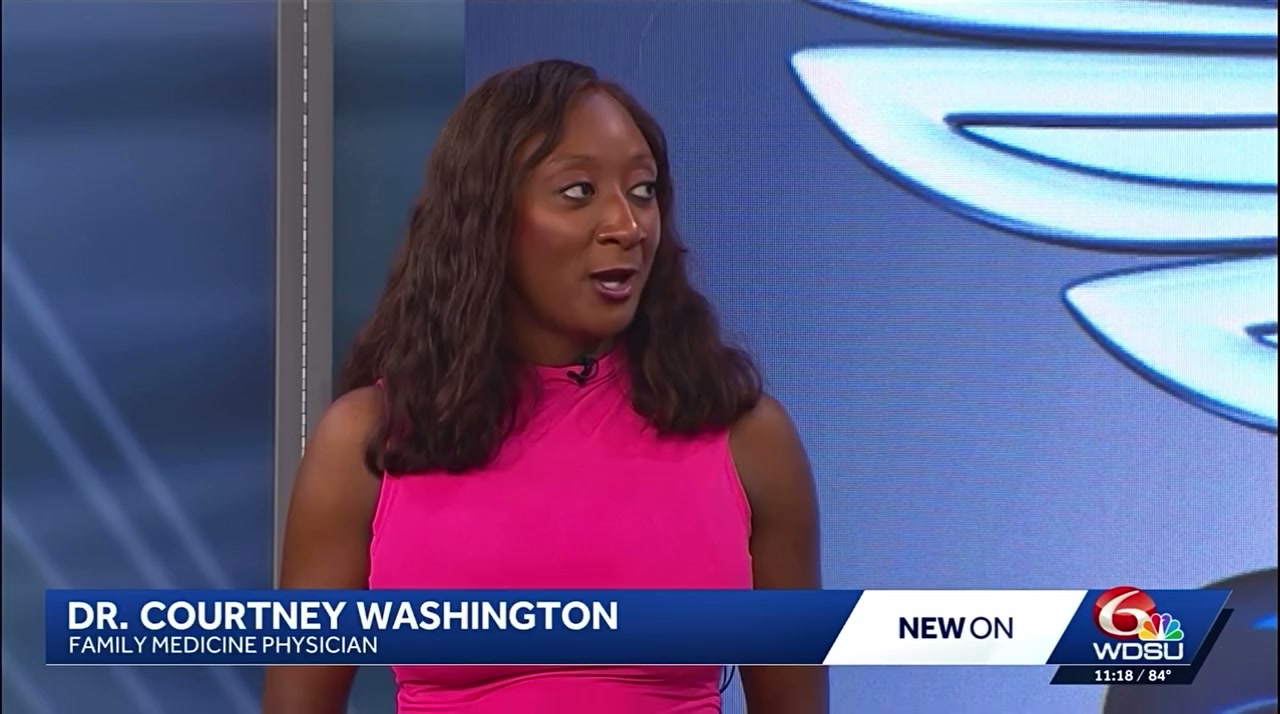
Dr. Courtney Washington, family medicine physician, discussing breast cancer screening on WDSU News Channel 6
Behind the Science
Breast Cancer Screening: When Should You Start, and What Changes Should You Never Ignore?

By Courtney A. Washington, DO | Board-Certified Family Medicine Physician | Ask Dr. Co Women’s Health | Preventive Medicine | Behind the Science | Updated October 20, 2026Medically reviewed by Courtney A. Washington, DO | Last reviewed October 30, 2026 When should you get your first mammogram, and how do you know if something is wrong? For most women at average risk, routine mammograms should begin at age 40. But breast cancer awareness starts long before your first screening. Understanding your family history, recognizing changes in your breasts, and reporting unusual symptoms can make a difference in detecting cancer earlier, when treatment is often more successful. Why Is Breast Cancer Awareness Still So Important? October is Breast Cancer Awareness Month, but preventive breast health deserves our attention throughout the year. In my WDSU News medical segments, I emphasize three things: know your body, know your risk, and don’t ignore changes. Breast cancer may develop without pain or noticeable symptoms. A mammogram can sometimes detect a cancer before it can be felt. And while most breast changes do not mean cancer, changes deserve timely evaluation. Dr. Courtney Washington on breast cancer screening and resources, WDSU News Channel 6, October 2026. Video courtesy of WDSU. At What Age Should Women Start Getting Mammograms? ACOG recommends starting mammography at age 40 for women at average risk, repeating it every one or two years through shared decision-making, and continuing through at least age 75. The U.S. Preventive Services Task Force recommends mammography every two years from ages 40 through 74. The difference is primarily in screening frequency. Both support beginning at 40. Breast cancer diagnoses have increased among women in their 40s, making timely conversations especially important. What if Breast Cancer Runs in Your Family? A mother, sister, daughter, or another relative with breast cancer—especially at a younger age—can change your risk assessment. Risk from your father’s side also counts. You may have heard the rule to begin screening ten years before the age of the youngest affected relative. That approach is used in some higher-risk protocols, but is not a universal rule. The starting age and test depend on your complete risk assessment and any hereditary syndrome. If your mother was diagnosed at 40, discuss your risk well before 40 instead of automatically assuming mammography must start at 30. Who Should Consider Genetic Counseling or Testing? Most breast cancers are not explained by a single inherited mutation. A personal or family history of breast cancer before age 50, multiple relatives with breast or ovarian cancer, male breast cancer, or a known family mutation may warrant hereditary-risk assessment. BRCA1 and BRCA2 are two examples among several relevant genes. Genetic counseling helps determine who should be tested and what the findings mean. Not everyone needs genetic testing. Mammogram, Ultrasound, or MRI: What’s the Difference? Mammograms use low-dose X-rays and remain the foundation of routine screening. Ultrasound may further evaluate a specific lump or imaging finding, but does not replace routine mammography. Breast MRI is often added for some higher-risk patients. For example, the American Cancer Society recommends annual MRI and mammography, typically beginning around age 30, for many women with a lifetime breast cancer risk of approximately 20–25% or higher. Imaging should be individualized rather than chosen simply because one test sounds more advanced. Should You Still Examine Your Own Breasts? Absolutely know the normal look and feel of your breasts. However, breast self-awareness differs from formal monthly self-examinations. Routine structured self-examination has not been shown to reduce breast cancer deaths in average-risk women and can increase unnecessary testing. That’s why experts emphasize recognizing and reporting changes rather than making self-examination a substitute for mammography. Which Breast Changes Should You Never Ignore? Call your clinician about a new lump in the breast or armpit; skin dimpling or thickening; new nipple inversion; spontaneous nipple discharge, especially blood; persistent localized pain; unexplained swelling or changes in size or shape; or persistent redness or scaling. Many breast symptoms are not cancer, but you can’t diagnose the cause by touch alone. If you find a new lump after a normal mammogram, still seek evaluation. A symptom may require diagnostic imaging, not merely the next routine screening examination. Why Does Early Detection Matter? The American Cancer Society reports a five-year relative survival rate greater than 99% for localized invasive breast cancer. That does not guarantee an individual’s outcome, but shows why finding disease before it spreads matters. Black women in the United States face higher breast cancer mortality than White women and are more likely to develop aggressive triple-negative tumors. Access to screening, timely follow-up after abnormal findings, and appropriate treatment are all essential. Dr. Co’s Perspective: Awareness Should Lead to Action As a family medicine physician, I know how easily women put themselves last while caring for everybody else. That mammogram moves from next week to next month—and sometimes to next year. I want women to know you don’t need to be certain a lump is dangerous before calling your doctor. You don’t need to wait for pain. And you don’t need a family history to take breast health seriously. Through Ask Dr. Co and my WDSU News segments, my goal is to make evidence-based health information understandable enough to act on. Breast cancer awareness isn’t about fear. It’s about giving women the information and confidence to advocate for their health. The Doctor’s Dose: What You Need to Know Start the screening conversation at age 40—or earlier if your risk is elevated. Family and personal history can change the plan. Know what’s normal for your breasts. Awareness helps you recognize changes, but does not replace mammography. Don’t wait to report something unusual. A new lump, nipple discharge, skin change, or other persistent symptom needs evaluation even after a normal screening. The Conversation Doesn’t End Here During Breast Cancer Awareness Month, I’m continuing this conversation on WDSU News Channel 6 and Ask Dr. Co. Explore more evidence-based health education at askdrco.com. Share this article with someone who needs a


Perimenopause and Menopause: What’s Normal and When to Get Help

By Courtney Arianne Washington, DO | Ask Dr. Co Perimenopause is the transition leading up to menopause, when hormone changes can affect your periods, sleep, temperature regulation, and vaginal comfort. Menopause is usually identified after 12 months without a period. These changes are common, but symptoms that disrupt your life, unusual bleeding, or an earlier-than-expected transition deserve a medical conversation. What is the difference between perimenopause and menopause? Perimenopause can begin years before your final period. Ovulation becomes less predictable, and hormone levels fluctuate. You may notice shorter or longer cycles, skipped periods, or hot flashes while you are still menstruating. Menopause marks the end of menstrual cycles, usually recognized after 12 months without a period when another cause is not responsible. Hormonal contraception and a hysterectomy can make that calendar harder to interpret, so your history matters. Which symptoms can be part of this transition? Hot flashes, night sweats, vaginal dryness, and changes in periods are familiar clues. Sleep may be interrupted, and some people notice mood changes or difficulty concentrating. The experience varies; you do not need every symptom to have a meaningful concern. As a physician, I also want to know what else is happening. Fatigue, changes in weight, or low sexual desire can overlap with sleep problems, thyroid conditions, anemia, medication effects, and stress. Hormones may be part of the picture, but they do not explain every symptom. If you want help sorting through those possibilities, a Fleur-De-Lis hormone consultation is a place to begin. Do I need hormone testing to know what is happening? Yes. In otherwise healthy people over 45 with typical symptoms and menstrual changes, perimenopause and menopause can often be identified without a hormone panel. Levels fluctuate during the transition, so one result can be misleading. Lab testing and a good history and physical exam can aid in determining if you are in perimenopause or if your symptoms can be attributed to another medical problem completely. Testing can still be useful for a specific question, an unusually early transition, or symptoms that suggest another cause. I use the history to decide what testing adds, rather than treating a laboratory number in isolation. When should I get help? You do not have to wait until you have gone a year without a period to ask for care. Book an appointment when symptoms affect sleep, work, relationships, or daily comfort. Menopause-like changes before age 40 need evaluation, and changes between 40 and 45 deserve a conversation too. Bleeding after menopause needs prompt evaluation, even if it is only spotting. Heavy, prolonged, or otherwise unusual bleeding during perimenopause should also be discussed. Heavy bleeding with faintness, chest pain, or shortness of breath warrants urgent care. What can treatment include? The plan depends on the symptoms and your health history. It may include menopausal hormone therapy, a nonhormonal prescription, vaginal treatment, or support for sleep and other health concerns. If you still have a uterus and use systemic estrogen, a progestogen is generally needed to protect its lining. Keep preventive care, movement, nutrition, and sleep in the conversation. Menopausal hormone therapy does not provide contraception. Ask about pregnancy prevention if you could still become pregnant, and discuss the benefits and risks of any proposed treatment. Key Takeaways Perimenopause can cause symptoms before periods stop completely. Typical menopause often does not require a hormone panel for diagnosis. Disruptive symptoms and unusual bleeding deserve attention. Ready to understand your symptoms? Start with the Menopause Rating Scale to organize what you are experiencing, then schedule a hormone consultation at Fleur-De-Lis. The questionnaire supports a conversation; it does not diagnose menopause or determine whether you need a prescription. When you don’t know… Ask Dr. Co. Sources and further reading ACOG menopause NICE menopause guidance ACOG hormone therapy

Digital blood pressure monitor beside a glass of water, stethoscope, and summer hat illustrating how hot weather affects blood pressure, hydration, and hypertension management.
Doctor's Dose
Heat and Hypertension: What the New Blood Pressure Guidelines Mean During Hot Weather

Heat and Hypertension: What the New Blood Pressure Guidelines Mean During Hot Weather By Courtney Arianne Washington, DO Hot weather affects more than your comfort. It can change your blood pressure, hydration status, kidney function, and the way certain medications affect your body. In places like New Orleans, where I practice, high temperatures are often accompanied by intense humidity. In other parts of the world, people may face dry desert heat, prolonged heat waves, limited access to air conditioning, strenuous outdoor work, or unexpectedly high temperatures in regions that are not accustomed to extreme heat. The climate may look different, but the medical concern is the same: your body has to work harder to regulate its temperature, and that can become dangerous when you have high blood pressure or take certain cardiovascular medications. In emergency medicine, I have cared for patients who were taking their medications exactly as prescribed but still developed dizziness, weakness, dehydration, low blood pressure, electrolyte abnormalities, or kidney problems during periods of extreme heat. The medication may not have been wrong. The conditions surrounding the patient had changed. That is why blood pressure care should never be reduced to simply prescribing a pill and checking a number. The 2025 American Heart Association and American College of Cardiology High Blood Pressure Guideline emphasizes a more precise and individualized approach to hypertension. The blood pressure categories have not changed, but the way clinicians determine who needs medication—and how aggressively they should be treated—has become more personalized. This is especially important during hot weather, whether you are dealing with a Gulf Coast summer, a European heat wave, desert temperatures, a tropical climate, or a hot day spent working or exercising outdoors. Prefer to Watch Instead? Watch the full episode below, where I explain the updated hypertension guidance in plain language and discuss what it means during hot weather. × The First Major Blood Pressure Guideline Update Since 2017 The 2025 AHA/ACC guideline replaces the major hypertension guideline released in 2017. It continues the evolution away from the older JNC 8 approach, which many clinicians learned during training and may still remember. The current blood pressure categories are: Normal blood pressure: less than 120/80 mm Hg Elevated blood pressure: 120–129 systolic and less than 80 diastolic Stage 1 hypertension: 130–139 systolic or 80–89 diastolic Stage 2 hypertension: 140/90 mm Hg or higher For most adults receiving treatment, the recommended blood pressure goal remains less than 130/80 mm Hg. However, that target must still be considered within the context of the individual patient. A person who is frail, frequently becomes dizzy when standing, is at high risk of falling, has a limited life expectancy, or has other complex medical conditions may require a different treatment strategy. A treatment goal is not the same thing as an automatic treatment plan. Two People Can Have the Same Blood Pressure and Receive Different Treatment Consider two people who both have an average blood pressure of 135/85 mm Hg. One may be advised to begin medication. The other may be given several months to focus on nutrition, exercise, weight management, sodium reduction, sleep, and other lifestyle changes. Both approaches may be consistent with the guideline. The difference is their overall cardiovascular risk. Someone with diabetes, chronic kidney disease, a previous stroke, established cardiovascular disease, or a higher calculated risk of a future cardiovascular event may benefit from starting medication earlier. Someone without those risk factors may reasonably begin with intensive lifestyle changes and close follow-up before medication is added. This is not inconsistent treatment. It is individualized treatment. The PREVENT Calculator Changes the Conversation One of the most important updates is the use of the American Heart Association’s PREVENT™ cardiovascular risk calculator. PREVENT stands for Predicting Risk of Cardiovascular Disease EVENTs. It estimates a person’s 10-year and 30-year risk of developing cardiovascular disease, including heart attack, stroke, and heart failure. Unlike older cardiovascular risk models, PREVENT incorporates cardiovascular, kidney, and metabolic health. It was developed and validated using data from more than 6.5 million diverse adults in the United States and is intended for adults ages 30 through 79 who do not already have known cardiovascular disease. The calculator may include information such as: Age and sex Blood pressure Cholesterol levels Kidney function Diabetes status Smoking history Body mass index Use of blood pressure or cholesterol medication Additional information, including hemoglobin A1c, urine albumin-to-creatinine ratio, and measures related to social disadvantage, may further personalize the estimate. For a person with Stage 1 hypertension and no established cardiovascular disease, diabetes, or chronic kidney disease, a 10-year PREVENT cardiovascular risk of 7.5% or higher supports beginning medication along with lifestyle changes. When the calculated risk is below 7.5%, an initial three- to six-month trial of intensive lifestyle modification may be appropriate. If the average blood pressure remains at or above 130/80 mm Hg, medication is then recommended. The blood pressure reading matters, but it is no longer the only number guiding the decision. Although PREVENT was developed using United States data and is part of the current American guideline, the broader principle applies everywhere: blood pressure treatment should reflect the patient’s total cardiovascular risk, not one isolated reading. People outside the United States should discuss which cardiovascular risk tool and hypertension guideline are recommended in their country. What Happens When Blood Pressure Is 140/90 or Higher? An average blood pressure of 140/90 mm Hg or higher falls within Stage 2 hypertension under the AHA/ACC classification. For most adults in this range, lifestyle changes alone are not enough. Medication is generally recommended in addition to lifestyle treatment, regardless of the calculated PREVENT risk. The 2025 guideline also favors beginning treatment with two first-line medications from different drug classes for Stage 2 hypertension. Whenever possible, those medications may be combined into one pill. A single-pill combination can make the regimen easier to follow and may help patients reach their blood pressure goal faster than slowly adding one medication at a time. Blood pressure definitions and treatment thresholds can

Three women discussing healthy snacks and nutrition choices, illustrating lifestyle factors that influence hormonal weight gain, metabolism, and wellness after age 40.
Preventative Health
Why Women Gain Weight After 40: The Hormonal Shift

Gaining weight after 40 isn’t just about calories. Discover how hormones, stress, insulin resistance, and muscle loss influence midlife weight gain, plus evidence-based strategies to support metabolism and long-term health.

Newsletter

Sign up our newsletter to get update information, news and free insight.

Latest Post

Join the InspireLife Community for Growth and Success!
Lorem ipsum dolor sit amet consectetur adipiscing elit dolor